Marketing is Memory: How Brands That Stick Win Hearts and Minds
Remember those childhood moments when you got a cut while playing and rushed to the local kirana shop asking for a Band-Aid? Even though Band-Aid is just one brand of adhesive bandages, it became the default word for all of us. Nobody asked for an “adhesive bandage”—they wanted a Band-Aid.
Back then, there were many other brands like Hansaplast or Dettol, but Band-Aid had somehow carved a special place in our minds.
Fast forward to school and college days. Need to copy notes? You’d say, “Let’s xerox it,” even though Xerox is a brand name for photocopy machines.
And this isn’t just a coincidence. It’s everywhere.
We Google instead of “search.” We WhatsApp, not just messages. We Zoom, not merely video call.
But why does this happen?
Why do some brands stick so deeply in our minds that they become part of our everyday language?
What Is Proprietary Eponymy?
Here’s where marketers use a fancy term: proprietary eponymy. It simply means when a brand name becomes the generic word for a product or service.
Think about:
- Band-Aid (adhesive bandage)
- Xerox (photocopy)
- Vaseline (Petroleum jelly)
- Zoom (video call)
- Fevicol (white glue)
- Colgate (tooth paste)
These brands didn’t just capture the market—they captured our vocabulary.
But this doesn’t happen with every good product. There’s something deeper at play—something psychological.
Let’s dive in.
The Psychology Behind Sticky Brands
1. Stand Out or Fade Out: The Von Restorff Effect
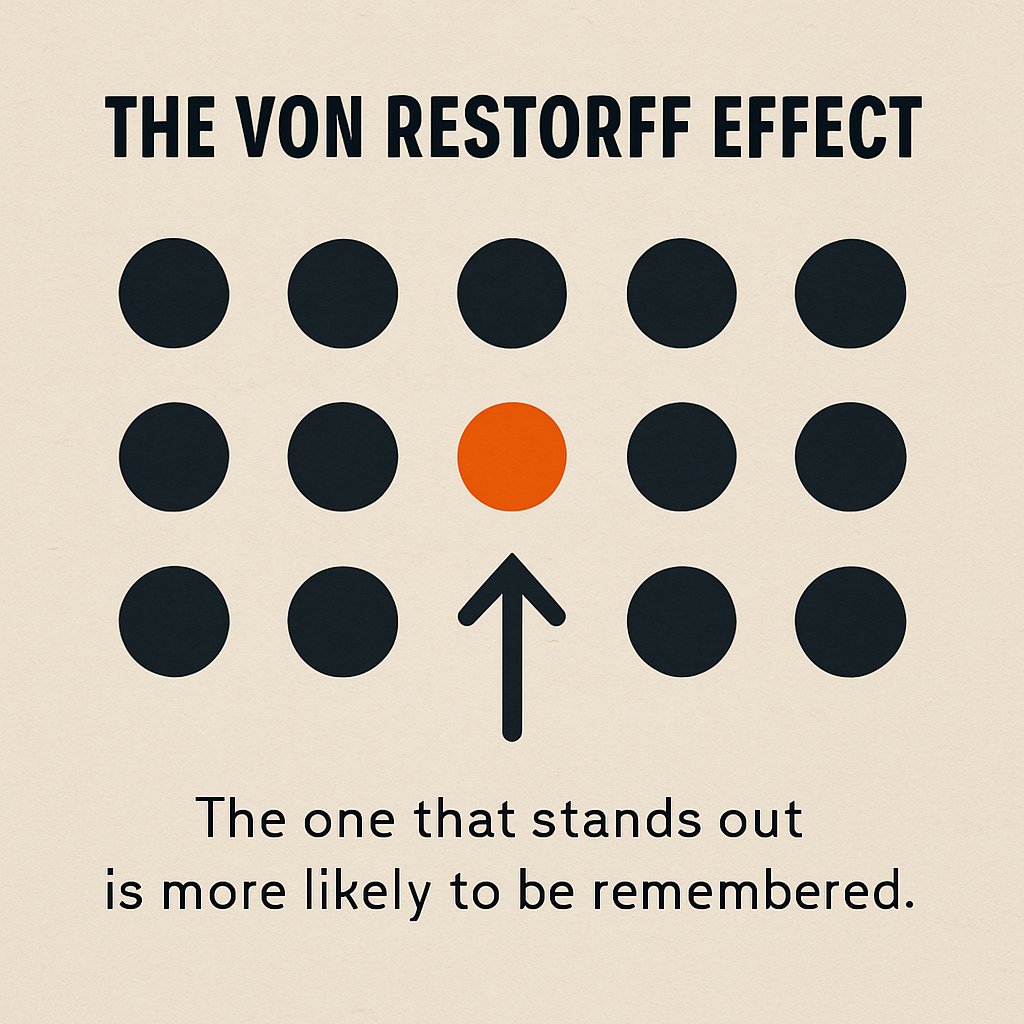
Ever notice how the quirky kid in class was impossible to forget? That’s the Von Restorff Effect—things that stand out get remembered, also called the isolation effect. Brands that build unique packaging, a distinct sound, or a memorable mascot tap directly into this.
Think of:
Amul’s topical cartoons
Fevikwik’s quirky humor
Maggi’s famous “2-minute noodles”
They’re not just different—they’re delightfully different.
2. Emotional Anchoring: Feeling Is Remembering
Science shows that memories tied to emotions—especially joy, nostalgia or comfort—stick longer.
That’s why you remember ads that made you laugh or tear up, but forget those that only list product features.
When you say Maggi, you’re not just thinking instant noodles—you’re recalling home, late-night hostel cravings, or rainy evenings with mom.
Brands that make you feel something don’t have to shout. They just need to show up—Honestly.
3. Repetition Without Boredom: The Art of Semantic Satiation
You might think repeating a message too often annoys people. But smart brands know how to repeat creatively.
Semantic satiation is when a word loses meaning if you hear it too many times in a row. The trick? Change the storytelling, not the message.
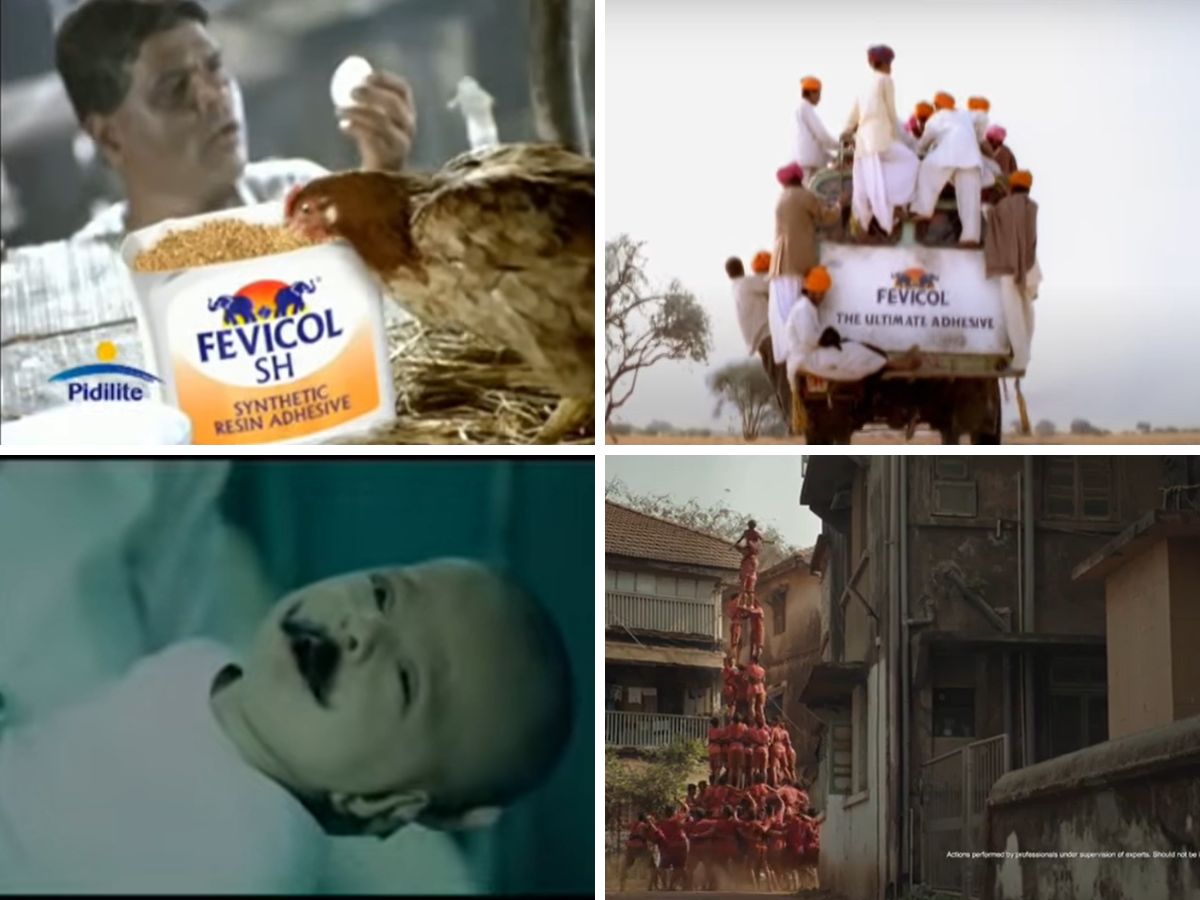
Fevicol has been saying “Mazboot jod” (Strong Bond) for decades—each time in a fresh, new story. So our brains don’t tune out.
That’s how repetition becomes reinforcement.
Case Study: How Google Became a Verb
Google didn’t just build a search engine—it built a ritual. In the early 2000s, while Yahoo and AltaVista cluttered their homepages, Google’s clean, lightning-fast interface stood out (Von Restorff, check). Its speed and accuracy sparked joy (emotional anchoring, check). And by consistently delivering results, it became a daily habit (repetition, check). Today, “Google it” is universal, proving that simplicity and reliability can turn a brand into a verb.
The Challenge: Racing Against Goldfish
We’re not just fighting for memory—we’re racing against time.
And that was before Reels, Shorts, and infinite scrolling took over.
A recent study found that 60% of users skip videos longer than 10 seconds. Instagram Reels with hooks in the first 3 seconds get 70% more engagement. The average person sees 6,000–10,000 brand messages daily.
Gen Z admits they can’t watch content without multitasking. Books, movies, even news articles are trimmed for “too long, didn’t read.”
So what does this mean for marketers? You don’t just need visibility. You need velocity. If you can’t capture a moment, you lose the memory.
Digital Hacks for Sticky Brands
In a world of Reels and Shorts, brands are mastering the art of quick, memorable content. Take Zomato’s Instagram Reels, which use relatable humor and trending audio to turn food delivery into a vibe—think memes about “ordering biryani at 2 AM” that hit home with young audiences. Or consider boAt’s #DoWhatFloatsYourboAt campaign, where short, energetic videos showcase earbuds with bold visuals and desi music, creating a subcultural connect with Gen Z. These bite-sized, shareable moments make brands linger in our scroll-heavy feeds.
Storytelling: The Shortcut to the Brain
Humans forget bullet points. But we remember stories.
The brands that survive aren’t the loudest—they’re the ones with the most human voice.
Fevicol isn’t just glue. It’s a funny uncle with unforgettable stories.
Maggi isn’t just instant noodles. It’s a warm hug on a bad day.
Google isn’t just a tool. It’s your curious best friend.
If you want your brand to stick, don’t just explain what you do—show who you are.
“Memory Is the New Market Share
In a distracted world, people don’t always pick the best brand—they pick the one they remember.”
Can Every Brand Be a Google or Band-Aid?
Let’s be real: becoming the next Band-Aid, Zoom or Google takes strategy, timing or deep pockets. But even small brands can carve out space in customer’s minds. A local bakery can become the spot for Sunday treats with quirky packaging or heartfelt social media posts. Niche brands can own subcultures by leaning into hyper-local stories or community vibes.
So, How Do You Make Your Brand Unforgettable?
✅ Be Simple
Easy to say. Easy to recall. Easy to share.
✅ Be Repetitive—but Fresh
Say the same message. But make it feel new every time.
✅ Be Emotional
Evoking any emotion is better than being forgettable.
✅ Be Human
Relatability builds trust. Trust builds memory.
✅ Be Fast
Your first 3 seconds matter more than your entire campaign.
Marketing is memory & in today’s age of distraction, people don’t always choose the best brand.
They choose the most remembered one. So stop shouting. Start sticking.
Because the brand that lives in someone’s mind…is the one that wins in their moment of choice.
Ready to Build a Brand That Sticks?
Brands that dominate memory dominate the market.
And it’s not magic—it’s strategy.
If you loved these insights, you’ll love what we teach in our Integrated Marketing Course where we dive deeper into:
🎯 Building Brand Recall
🎯 Various marketing Techniques
🎯 Creating Campaigns That Stick
Click here to explore our program.